iMetos weather stations


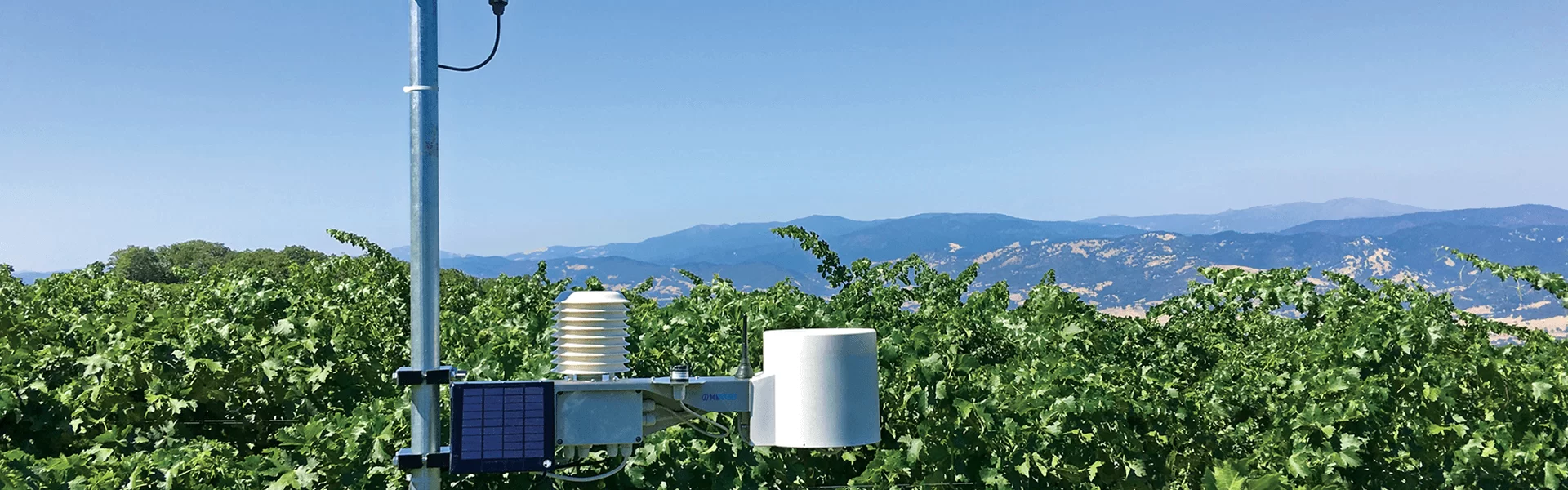
iMetos Weather Stations
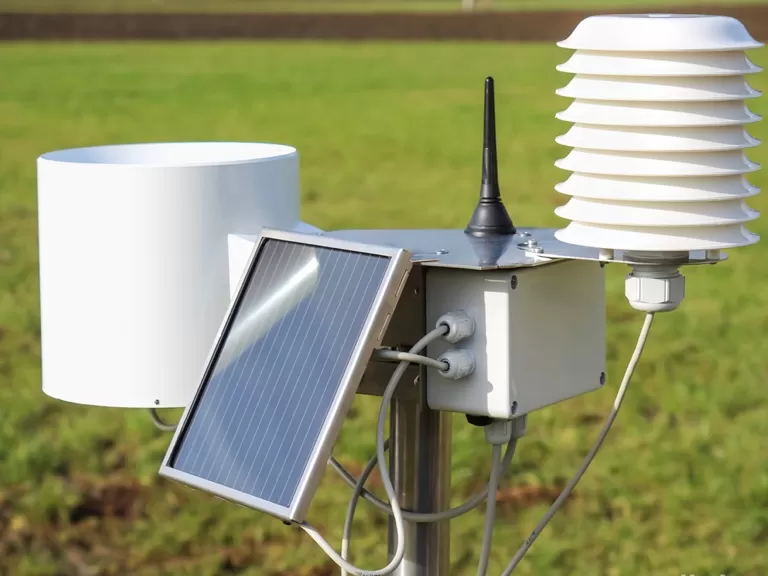
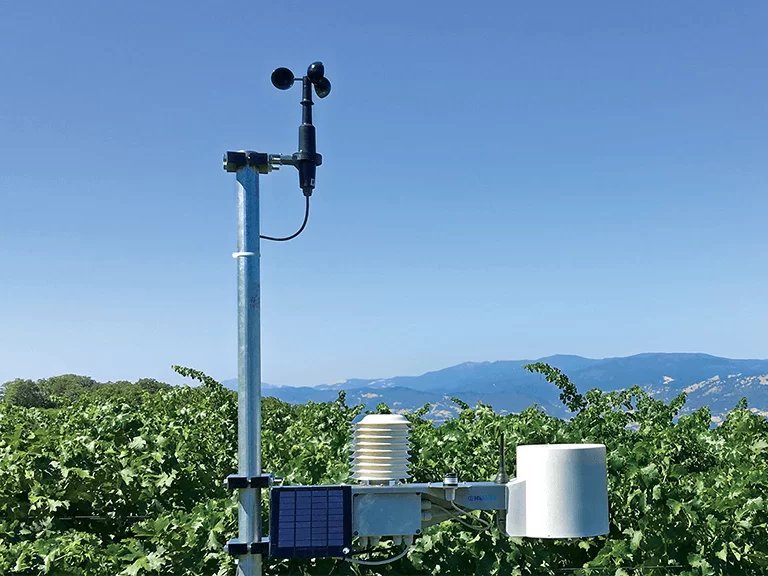
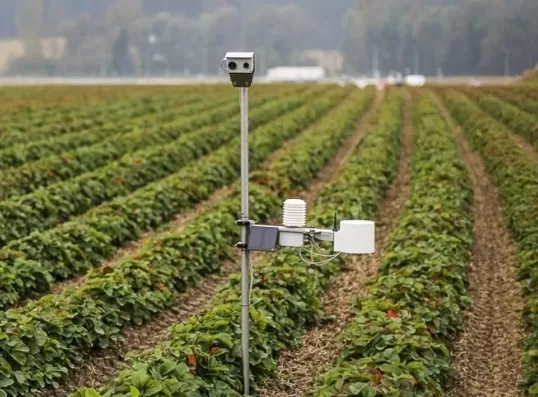
iMetos weather stations by Pessl Instruments are wireless solar systems which, depending on needs, are equipped with the necessary sensors for monitoring climatic and soil characteristics such as soil temperature and moisture, electrical conductivity, and pH.
Related product:
- Along with the iMetos weather station by Pessl, an iMetos Radio Node station is also available. This provides even more detailed information for effective farm management.
- The iMetos Radio Node station is a small, wireless station that sends all data in real-time via an interactive network back to the base station.
Features:
- Local weekly weather forecast with optimal spraying time determination
- Crop disease development alerts
- Tracking climatic parameters necessary for agricultural operations at the station's location
- Supports connection of up to 600 sensors, including air temperature and humidity, rain, solar radiation, wind speed and direction, barometric pressure, snow depth, soil temperature, soil moisture, and more.
- Insect trapping, imaging, and recognition
- Automatic data transmission to a web platform
- The received and recorded information is available in graphical and tabular form from any internet-connected device.
- High precision, efficiency, and easy operation
- Application across diverse geographical zones
- Calculation of daily evapotranspiration
- Irrigation management, including determining irrigation rates, start and end times, etc.
- Obtaining information on soil moisture, temperature, precipitation, leaf wetness, relative humidity, etc.
- Real-time transmission of collected information
- Operating range from base station: approximately 300 to 400 m
- Option to receive SMS notifications for critical situations (e.g., frost, irrigation requirements, etc.)
Advantages

Ability to protect crops from disease during the most critical stages of development
Minimal loss of chemicals
Spraying for maximum effectiveness for the plants
Reliable risk assessment
Prevent yield losses
Reduce spraying costs and product usage
Care for the plants and soil by spraying chemicals only where they are needed
Make informed decisions on upcoming spraying operations on the farm
Constant control over crop quality and yield
Monitor a range of parameters
Take temporary measures
Accurate assessment of the risk of various crop diseases
Prevent risk situations from occurring

Contact us


