Strip-Till — what do we need to know?
More than ever before, farmers are facing the challenges of climate change and ever-increasing production costs. This in turn requires the application of best practices in agriculture to be successful and profitable. In recent times, many farmers have been reevaluating the tillage practices applied to date and introducing changes to them. Some switch directly to a zero-till system, while others prefer the less extreme Strip-till. No matter which soil maintenance system you choose, it is important to approach informed and with sufficient attention to detail.
WHAT IS STRIP-TILL?
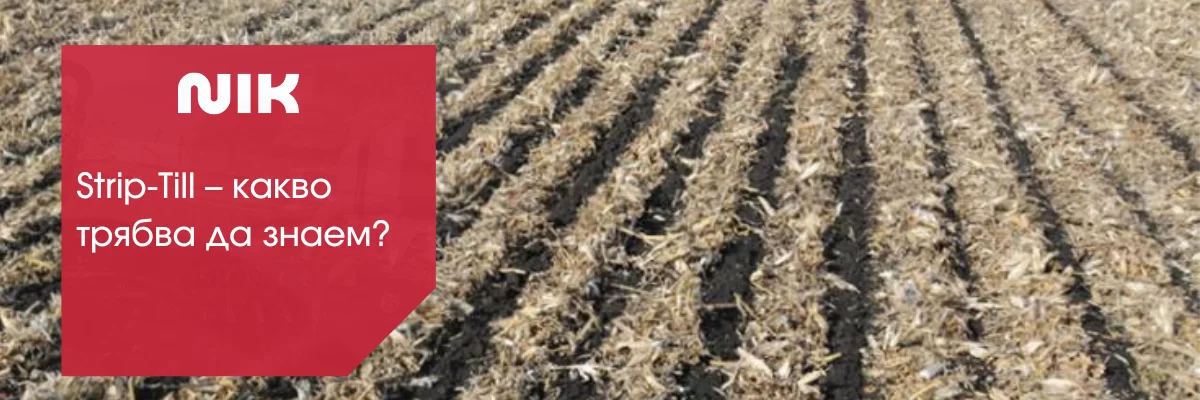
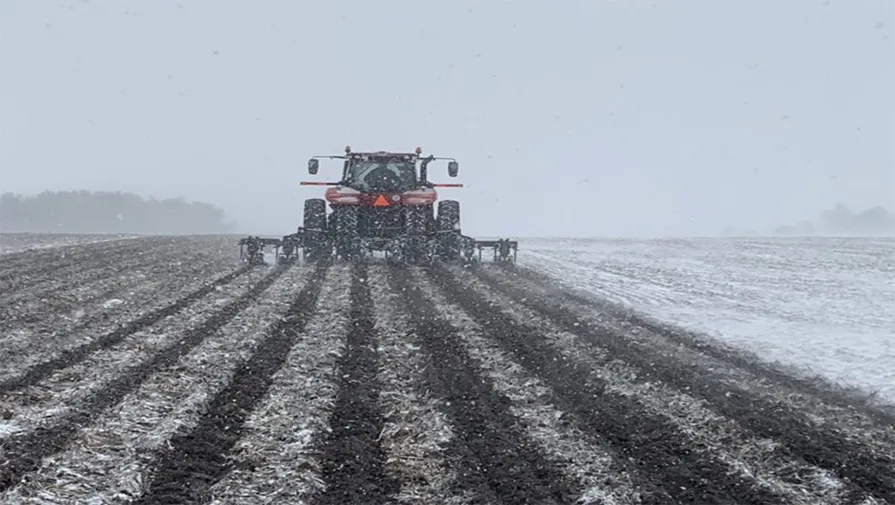
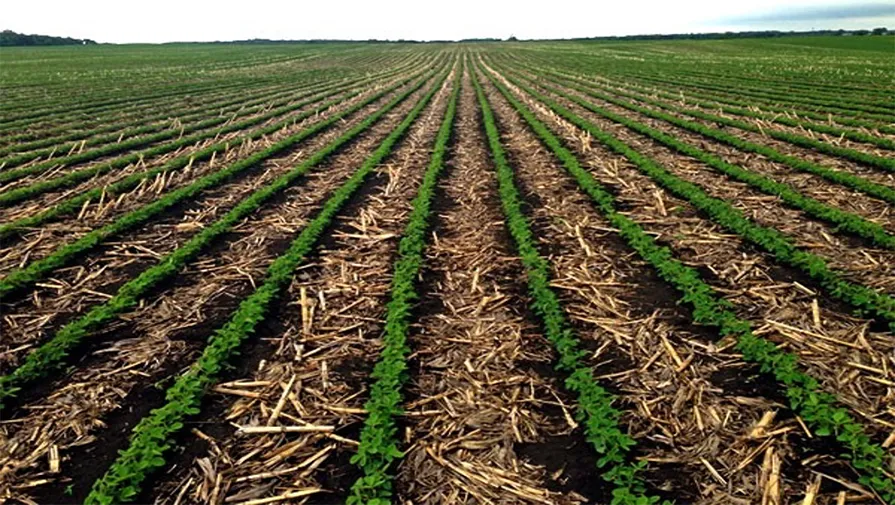
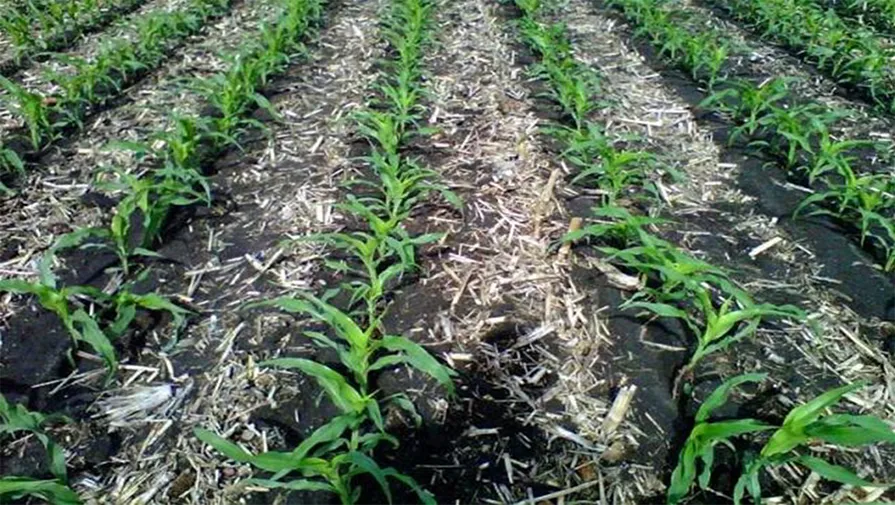
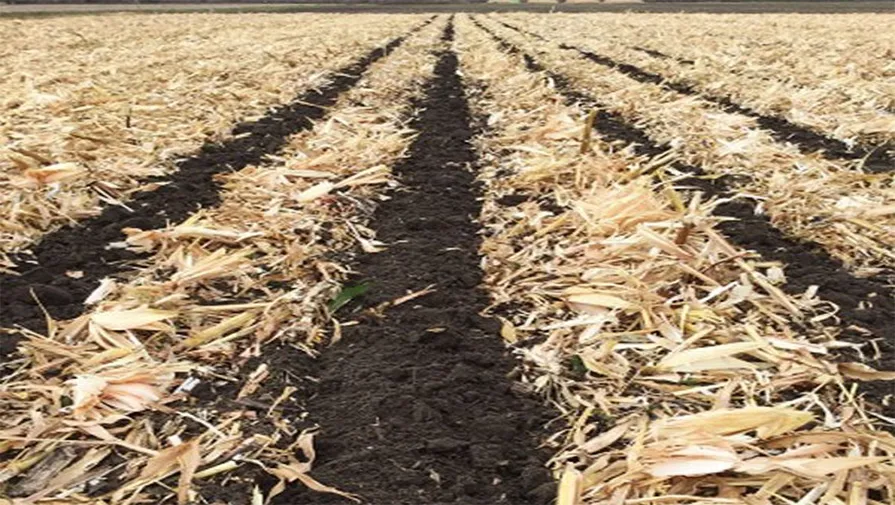
Literally, STRIP stands for strip and TILL means tillage or else, STRIP-TILL is a system in which the soil surface is worked in strips of different widths, and the area between them is left covered with the plant residues of the previous crop.
ADVANTAGES OF STRIP-TILL OVER OTHER TECHNOLOGIES?
Strip-tillcombines the advantages of no-till technology with those of conventional (ploughed) tillage. By strip-till, the soil is protected from erosion, and fertilizers from mechanical removal. By leaving plant residues on the soil between the strips, the soil structure is improved, more moisture is retained for a longer period and at the same time we have a well-cultivated seedbed that warms up faster in the spring. The targeted application of fertilizers increases their efficiency, allowing a reduction of up to 30% of fertilizer rates. Tillage, fertilization and sowing are carried out in one pass, which on the one hand reduces our fuel costs and on the other hand reduces the need for labor. And all this without compromising the results at harvest time.
WHICH CROPS ARE SUITABLE FOR GROWING AT STRIP-TILL?
Strip-till is applicable to almost all row crops — corn, sorghum, soybean, sunflower, rapeseed, sugar beet, etc.
WHAT TO THINK ABOUT BEFORE MOVING ON TO STRIP-TILL?
Information nowadays is everything, and if we had it in time, we would save ourselves a lot of trouble or at least difficulties. And problems and difficulties usually have a serious negative impact on our finances. Therefore, the first questions we should ask ourselves, no matter what technology we apply or what we are targeting, are:
WHAT IS THE TYPE OF SOIL?
The type of soil has a direct relationship with plant nutrition, with the ability to retain water and nutrients. Depending on what kind of soil we have, the strategy for ensuring adequate plant nutrition is determined. The type of soil is also determined by its physico-mechanical properties, and it depends on them when we will be able to cultivate it and what time we will have for it. On heavy soils, with a higher clay content, it is advisable to form the strips in the fall. Due to excessive moisture in the spring, on such soils there is a possibility that we will not be able to process the fields on time. In contrast to heavy, on lighter and sandy soils, it is advisable to form the stripes in spring. Soil type is also a factor in choosing the right inventory. More about strip-till inventories you can read HERE.
WHAT IS THE PREDOMINANT SOIL REACTION (PH)?
In both acidic and alkaline soils, there are problems with the absorption of a number of nutrients. On the one hand, the development of the root system is inhibited, and on the other hand, the fixation of part of them is enhanced.
In soils with pH > 8.0, there is usually a lot of calcium in the soil, which binds to phosphorus and forms insoluble compounds, and at pH < 5.5 phosphorus binds to iron and aluminum. The more acidic the soil reaction, the stronger the fixation, and at the same time the toxic action of these metals manifests itself.
WHAT CAN WE DO IF THE SOIL REACTION DEVIATES FROM THE OPTIMAL ONE?
First, in acidic soils, we can make the decision to lime to improve the quality of the soil and, from there, the feeding conditions of the plants. Secondly, we will know what fertilizers are suitable or not suitable for our soils. Thirdly, there are suitable ways of applying the fertilizers in case of an unfavorable soil reaction. For example, a directed introduction into the row is preferable because it increases the concentration of a given nutrient (usually phosphorus) in a smaller volume of soil and delays its fixation.
WHAT IS THE STOCK OF NUTRIENTS IN THE SOIL?
Before moving on to strip-till, and if we already practice this technology, it is good to know what is the stock of nutrients in the soil in the different layers. Very often in conservation technologies, nutrients are located in the superficial 10-15 cm, while in depth they are extremely insufficient. It is important to know how many nutrients there are and where they are located, because the roots of plants strive to reach the areas where the food supply is located. If they are in the surface layer, the roots will be located in it, and this is not good, especially in drought conditions. It is best to build up a supply of nutrients deeper into the soil, where a greater amount of moisture is also preserved. In this way, a greater resistance of the plants to prolonged drought and a longer feeding period is ensured. This is of particular importance for slow-moving phosphorus and potassium. In the case of mobile elements such as nitrogen and sulfur, a shallower arrangement is preferable.
ABOUT HOW THEORY MEETS PRACTICE, ABOUT HIS EXPERIENCE WITH STRIP-TILL AND ITS BENEFITS, TELLS ALEXANDER DIMITROV, WHO CULTIVATES ABOUT 12,000 ACRES IN THE LAND OF THE VILLAGE. IVY
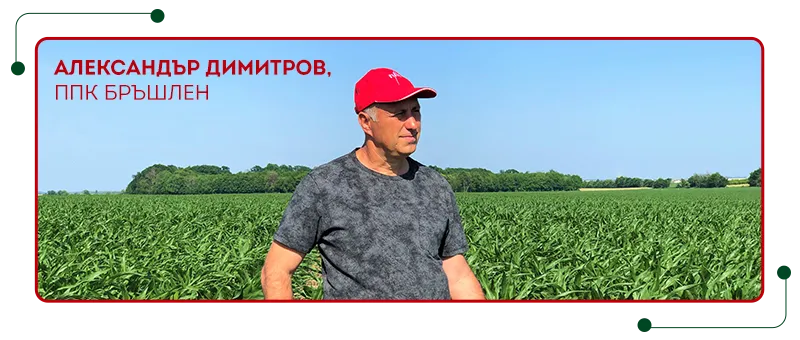
I started applying strip-till before four years and now nearly 90% of our spring crops, mainly sunflower and corn, are grown under this system. For the second year we try strip-tilland in rapeseed. There are different types of soil on our farm. Black lands predominate, but there are also gray forest ones. Thanks to the soil analysis, we have determined the appropriate fertilizer products. The soil and climatic conditions in our country make it necessary to form the stripes in autumn, which we combine with the introduction of phosphorus. Thus, we get a well-cultivated soil and do not lose the moisture accumulated over the winter.
The financial advantages of strip-till compared to conventional, plowing technology are significant for several reasons. First, we need less fuel for processing compared to conventional technology. Over a period of three years, we have significantly reduced fuel consumption, and instead of the 11 l/ha we needed from before the change, we now use about 6 l/ha. Due to the smaller number of processes, we need less time for them, and they are also carried out by fewer mechanizers. For all activities (tillage, sowing and spraying) over the entire area with strip-till, three are enough. Now we work with less inventory, managing to meet agrotechnical deadlines. We have reduced fertilizer rates by applying phosphorus in the fall, according to fertilization recommendations based on soil samples in each growing year. In the case of nitrogen, we report a reduction of the norm by up to 50%. Now in corn we use only about 10 kg/ha of active substance, with targeted application, at the right time. After switching to strip-till, yields remained at the same levels, but with a significant reduction in production costs.
If you want to learn about the experience with strip-till from other farmers, or if you yourself have something to tell, you can join the specially created Facebook group “Good practices in Strip-till tillage”: https://www.facebook.com/groups/899643363827369/
For more useful content, subscribe to our newsletter!
Contact us
Other articles
Field Innovations: Chomstil is among the first farms in Bulgaria with a Kverneland Alentix spreader
.webp)