Soil sampling after drought - how can it save you resources?
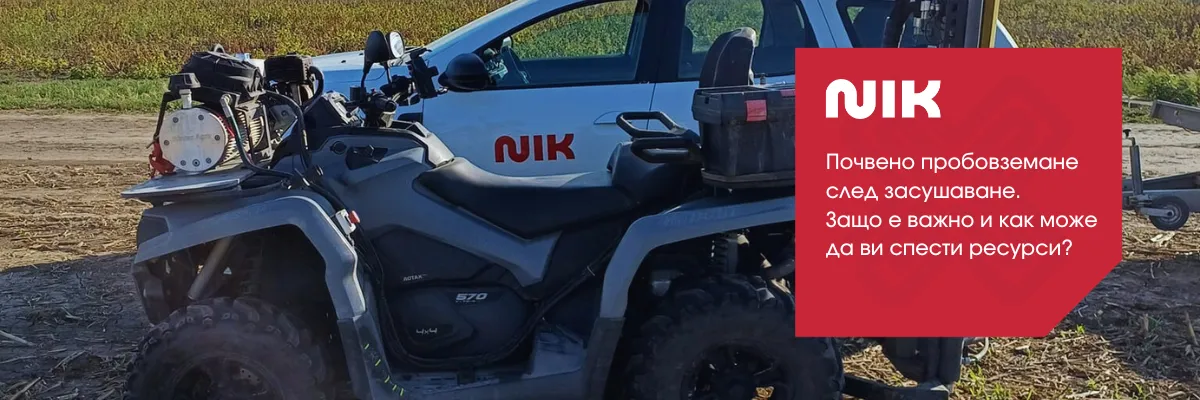
Did you know that in drought conditions up to 50% of applied fertilizers may remain unabsorbed in the soil? This loss not only reduces fertilization efficiency, but also leads to unnecessary costs for farmers. Accurate assessment of soil condition after drought is the key to more efficient resource management, and this is where soil sampling plays an important role.
Why is soil sampling necessary after drought?
When the soil suffers from a lack of moisture, fertilizers are not properly absorbed by crops. This can lead to a situation where, after harvesting, significant amounts of nutrients remain in the soil, which are ready to be used in the next season. Through soil analysis, farmers can establish the exact amount of residual nutrients and plan the fertilization of the next crop more efficiently.
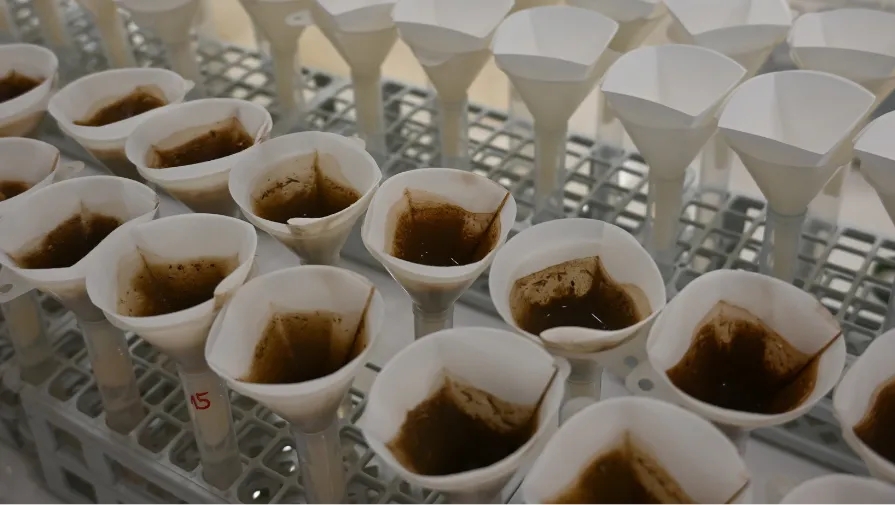
How does soil analysis save resources?
Soil samples taken after a drought show which nutrients are still present in the soil and can be used for the next crop. This means that instead of applying additional fertilizers “blindly”, you can optimize the process by using only the required amount.
How can Nick help?
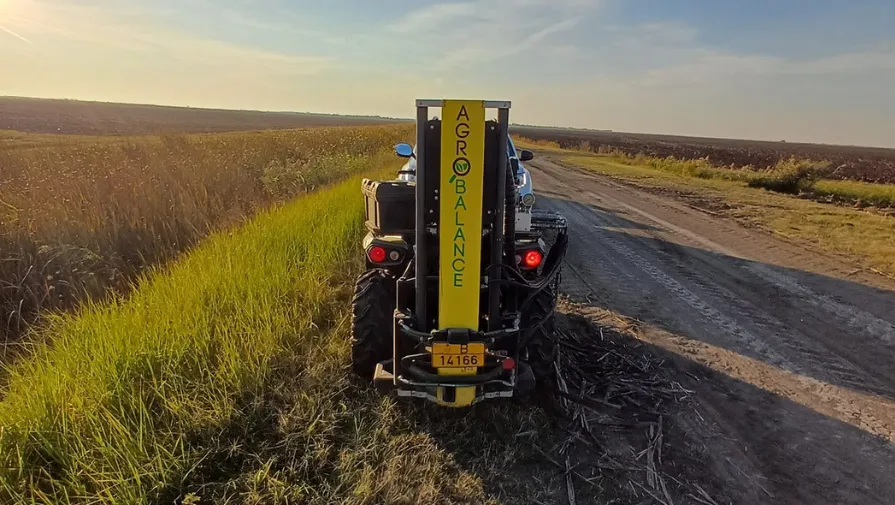
With the services of the NICs, such as sampling or the combined agronomic service AgroBalance, farmers receive a detailed analysis of soil conditions after drought and recommendations for optimizing fertilization. Regular soil sampling and precise evaluation of the results help to avoid unnecessary costs and ensure better yields. Especially after the harvest of spring crops, AgroBalancehelps farmers optimize fall crop nutrition while reducing fertilizer use.
Follow our page for more interesting topics, and in case you have any questions — do not hesitate to contact us.
For more useful content, subscribe to our newsletter!
Contact us
Other articles
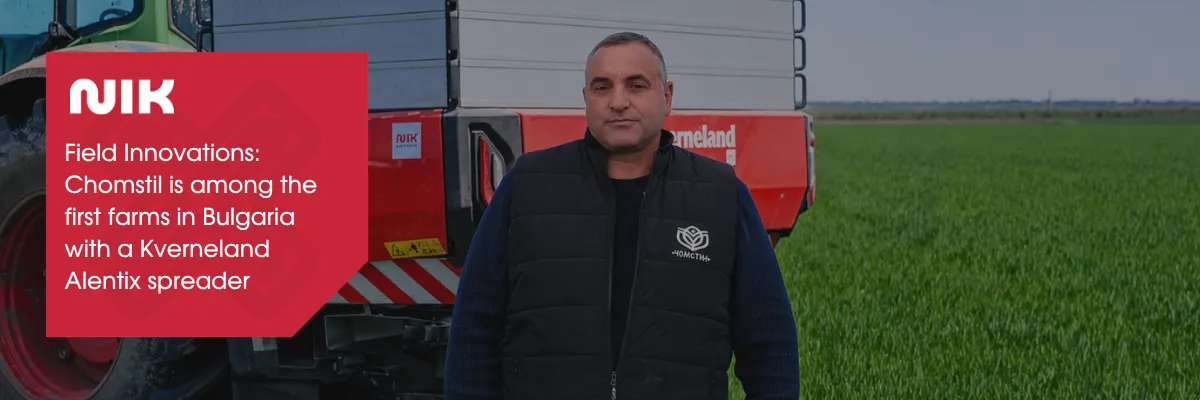
Field Innovations: Chomstil is among the first farms in Bulgaria with a Kverneland Alentix spreader
.webp)