Is fertilization effective in the “flag leaf” phase in wheat?
The harvest is the moment when it best reveals how well we have done our work in the field. It is not only the quantity of production that matters, but also its quality. An important characteristic of wheat grain, for example, is its bread-making qualities, among which is the protein content.
Farmers who get excellent yields know that fertilization is an important step on the way to the cherished goal.We must take into account both the amount of fertilizers applied and the time of their application. Yes, the main fertilization has its indispensable role, but we should not underestimate the need for feeding during the growing season - soil and foliar.
The last leaf that wheat forms is the flagpole. After its appearance, a period of culture development begins, which is extremely important for the harvest.
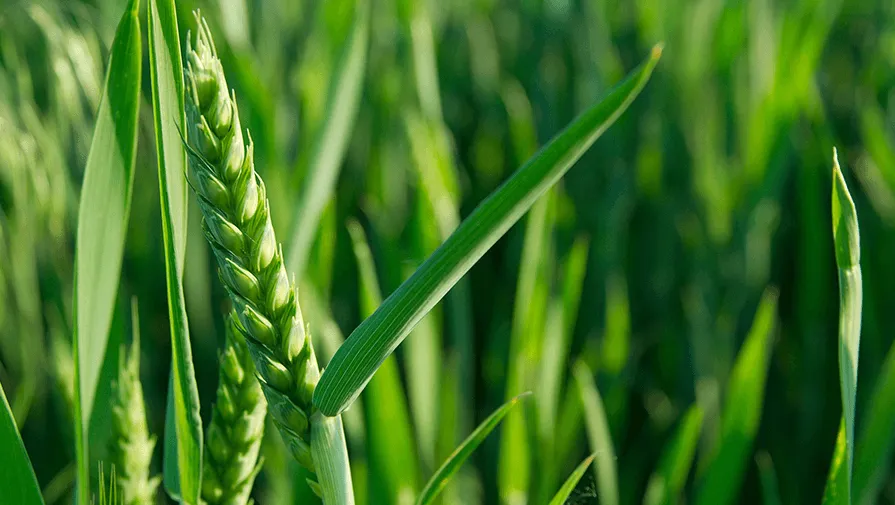
This is also the last phase in which we have the opportunity to make adjustments to the nutritional plan.
Why is the flag leaf key to mining?
Being closest to the class, the flag leaf directly affects the provision of seeds with nutrients, and the longer it remains green, the potential of the plant to form a higher yield increases. In this regard, keeping its photosynthetic surface intact — free from damage by diseases and pests — should be a primary concern of farmers throughout the entire grain pouring period.
Is feeding in a “flag sheet” effective?
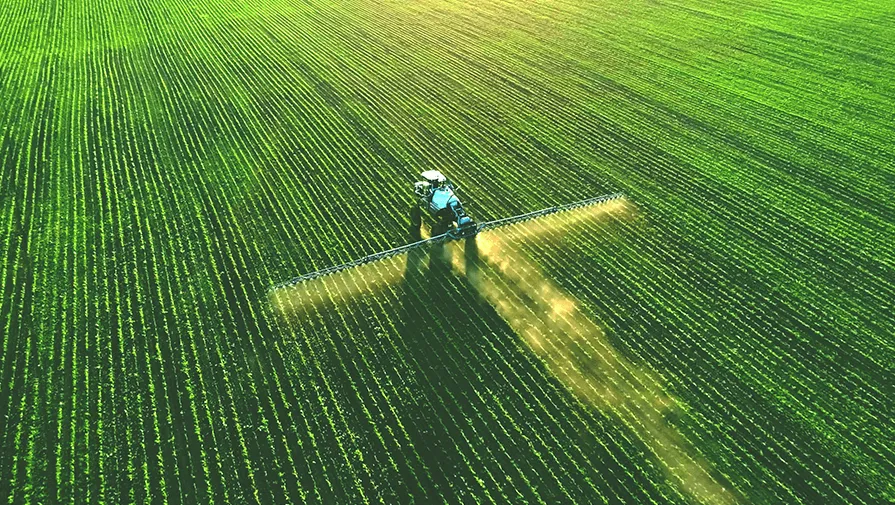
Planning foliar fertilization precisely at this stage of plant development is certainly a justified decision. In support of this statement is the fact that in the late phases of wheat development, the activity of the root system significantly slows down. At the same time, an active transfer of metabolites begins from the green parts to the class.
Foliar fertilizer applied in this period will slow down the aging of the leaves, enhance the outflow of assimilates, minimize stress under adverse conditions and, if necessary, provide accessible nutrients.
Which elements are key?
- Nitrogen (N)Nitrogen is directly related to the protein content of wheat and grain size. Foliar feeding with the element is effective, especially in drought conditions, when the soil can not be applied.
- Phosphorus (P)— phosphorus is important for the accumulation of dry matter in the grain, as well as for its quality. It provides the energy needed for protein synthesis.
- Boron (B)— pine is vital in the pollination process, which suggests that its absence during the flowering period should not be allowed.
Flag leaf is a major source of poorly reusable trace elements iron (Fe), Zinc (Zn)and copper (Cu), which are active participants in the processes of photosynthesis, respiration, synthesis of chlorophyll and proteins.
What benefits can foliar analysis bring us?
The flag sheet is an indicator body for identifying deficits after the start of the grading phase. The analysis of plant tissue, at this stage of the vegetation of the crop, is a tool by which we can understand two things — does the culture suffer from a certain deficiency and which element to focus on nutrition?
Other articles
Field Innovations: Chomstil is among the first farms in Bulgaria with a Kverneland Alentix spreader
.webp)