11 Variable Rate Fertilization Myths — Broken [2/2]
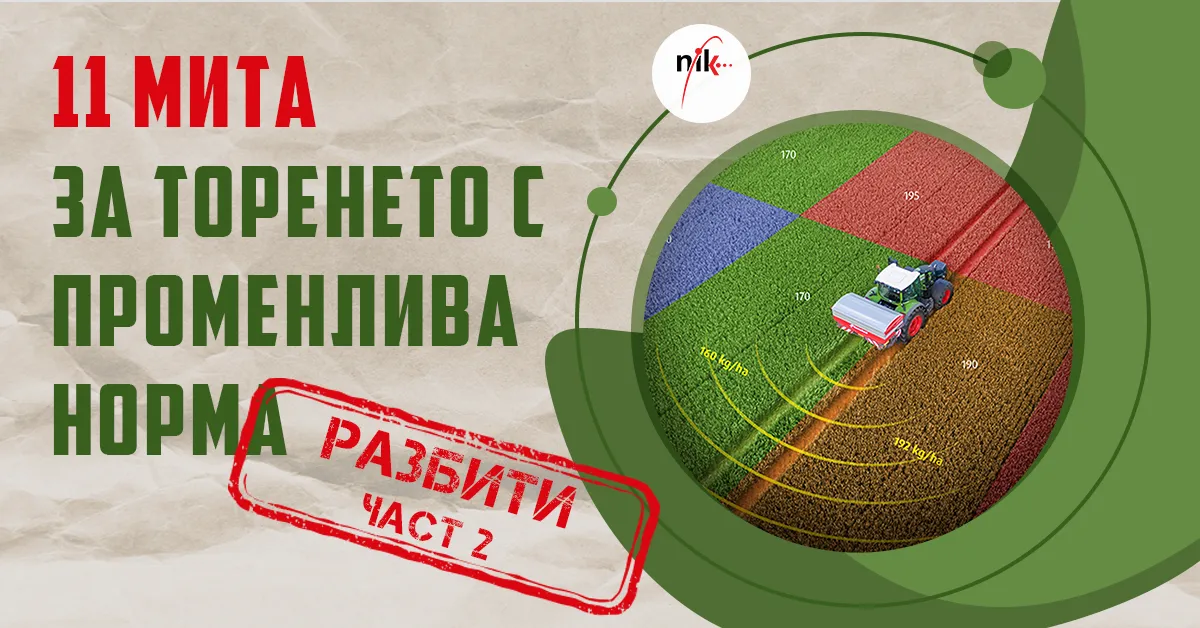
In the first part of the series “The Myths of Variable Rate Fertilization — Debunked”, the agronomists of NIK Agro Service have debunked some of the myths about VRA fertilization.
It is time for specialists in the field to give an expert opinion on the rest as well:
Myth number 6: “I have a recipe for fertilizing and have been following it successfully for years”
In agriculture, many variable factors are worked on.
Agronomists at NIK know the Law of the Minimum — our yield is limited under the action of the most unfavorable factor. If the treatments and plant protection are at the level, it is good to check that we have enough of all the nutrients. Just the nitrogen I got doesn't do. If zinc is lacking at most, enhanced fertilizing with phosphorus will not help.
Only with a clear idea of the current situation in the field can the better decision be made for the good development of crops.
Myth number 7: “The company that sells me fertilizer consults me for free”
If the recommendation of the consulting firm works, then it is based on results from a laboratory and analyzes have identified the missing elements. This is good practice.
NIK agronomists are not tied to fertilizer brands and their recommendations are objective and unbiased. The advantage with them is in the micro-zoning of the fields, sampling the soil according to standard and ISO requirements.
Through a series of laboratory analyzes, they accurately understand in which areas, which elements are sufficient and which are not. They evaluate each block against the expected yields and recommend in which areas to reduce fertilization to zero and in which it is good to apply it with a corresponding rate.
Thus, savings are achieved not only in quantities of fertilizer, but also in fuel, engine hours and depreciation of inventory.
Myth number 8: “Soil analyzes and recommendations for variable rate fertilization are expensive services”
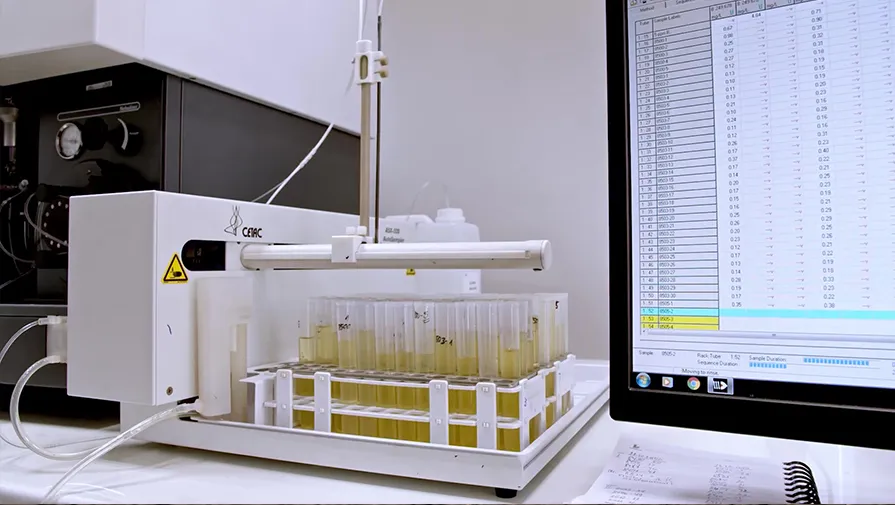
Investing in soil sampling and analysis has both short-term and long-term benefits.
In the current situation of increasingly higher prices and costs for fertilizers, information about where and exactly how much fertilizer product to import increases its importance.
Myth number 9: “I'm not sure how much to rely on these recommendations for variable fertilization, I'm not sure about them”
Recommendations for a variable fertilization rate are drawn up by specialist agronomists. They take into account the results of laboratory analyzes of soil and plant samples from different blocks of the farm. Thanks to the precise work of the NIK laboratory, a complete picture of nutrient levels in the field concerned shall be established and the stocks and deficiencies to be addressed shall be identified.
So the farmer will have a clear idea of where and how much fertilizer to apply. Another proof of the reliability of the results obtained is the accreditation of the NIK laboratory.
Myth number 10: “There is no one to follow and implement the recommendations on my farm”
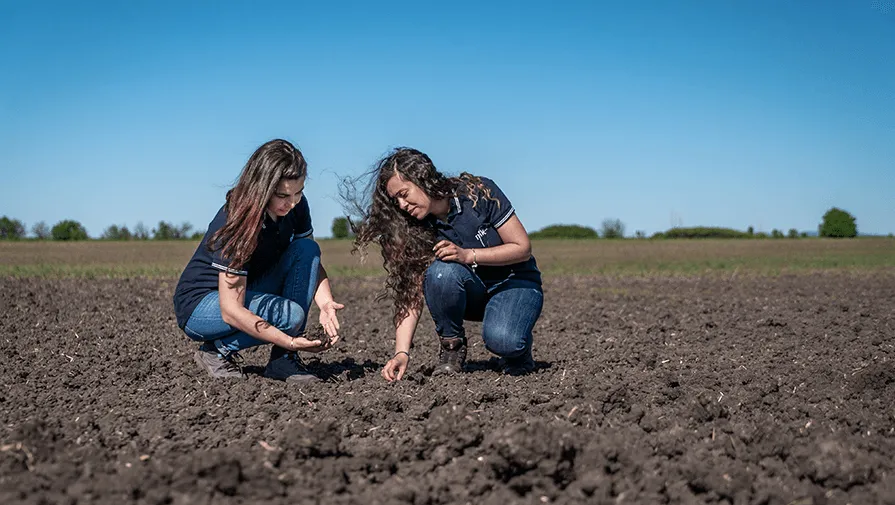
Our customers are also our partners. The farmers and agronomists of the NIK have the same goal — make the farm profitable and developing.
If the farm does not have a fertilization manager, an agronomist of the NIK could assist with clarification of the results obtained from the laboratory analyzes, comment in detail on the fertilization practice to date, the possibilities and options for more practical and more professional solutions.
Thus, the farmer will be informed about how to use his account on the GeoScan platform and look at the recommendations. In the AgroBalance service, customers can also get an application for real-time monitoring of the work of the field of technique and people, as well as insight into the correct implementation of recommendations.
Myth number 11: Let me see the result of the harvest then I will decide
Intentions for a good harvest do not end with the harvest, but begin with it. The AgroBalance service is oriented to the planning of the next harvest. The most suitable time to take down a soil picture in the field is the days after harvest, before deep tillage is done. The analyzes will give a clear idea of the soil stock and what the start is for the new crop.
Other articles
Field Innovations: Chomstil is among the first farms in Bulgaria with a Kverneland Alentix spreader
.webp)